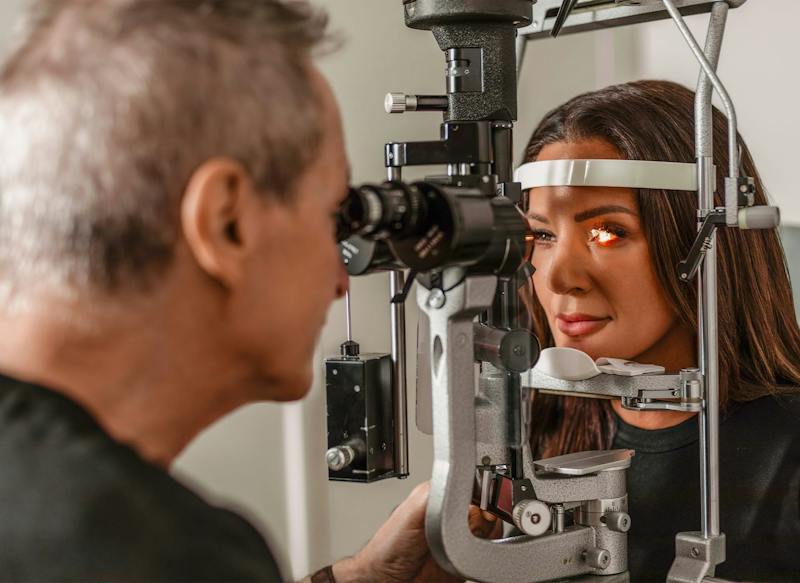
Droopy eyelids usually trace back to a weakened lid muscle (ptosis), extra upper-lid skin (dermatochalasis), a brow that has settled lower than it used to sit, or some mix of the three. Because the causes overlap, two people with similar-looking eyes can need very different treatments.
Dr. Allan Wulc, a quadruple board-certified eye and facial plastic surgeon with more than 30 years of experience, evaluates droopy eyelids at his Plymouth Meeting practice for patients across Philadelphia and the Main Line. This guide covers what each cause looks like, what a mirror can and cannot reveal, and how eyelid surgery in Philadelphia compares with a brow lift or ptosis repair.
Three Causes of Droopy Eyelids
Droopy eyelids have three common sources, and each one produces a slightly different look:
- Ptosis (weak lid muscle): The muscle that lifts the upper lid weakens or stretches, so the lid edge itself sits low and may cover part of the pupil. Causes include aging, trauma, prior eye surgery, and neurologic or muscle changes. One lid is often lower than the other.
- Dermatochalasis (excess skin): Loose skin, and sometimes fat, folds over the lashes while the lid edge sits in a normal position. The fold can crowd the lashes, interfere with makeup, and narrow the upper field of vision.
- Brow ptosis (low or heavy brow): As the brow descends with age, it pushes tissue down onto the lid and creates a hooded look. Many people raise their brows without realizing it, which can leave forehead tension or lines.
Most patients with hooded lids have more than one of these at work. A surgeon who treats the lid, the brow, and the eye together, as Dr. Wulc does with training in both ophthalmology and facial plastic surgery, can sort out which factor is doing the most to change the way the eyes look and function.
The At-Home Mirror Test (and Its Limits)
A mirror can offer a rough first impression. Sit facing a mirror in even light, relax the forehead, and look straight ahead. Then check three things:
- Lid edge: If the edge of the upper lid crosses the pupil while the skin fold looks small, ptosis may be involved.
- Skin fold: If a fold of skin covers the lashes while the lid edge sits near the top of the colored part of the eye, excess skin may be the main factor.
- Brow position: If gently lifting the brow with a fingertip opens the eye noticeably, brow position may be contributing.
The test has real limits. A mirror cannot measure muscle strength, rule out thyroid eye disease or a neurologic cause, or show how several causes combine. Drooping that appears suddenly, or comes with double vision or a change in pupil size, calls for prompt medical evaluation. In-person assessment by an oculoplastic surgeon examines the lids, brows, and eyes together.
Blepharoplasty vs. Brow Lift vs. Ptosis Repair
The right procedure follows the cause, and many patients benefit from a combination. Each option addresses a different structure:
- Blepharoplasty: Removes or repositions excess upper-lid skin and, when needed, fat. It tends to suit hooded lids driven by loose skin, and it is the procedure most people picture when they search for blepharoplasty in Philadelphia.
- Brow lift: Repositions a brow that has dropped. When a low brow is the source of the hooding, removing lid skin alone may leave the underlying cause in place.
- Ptosis repair: Adjusts the lid-lifting muscle so the lid edge sits higher over the eye. It is often paired with blepharoplasty when ptosis and excess skin occur together.
Satisfaction data on upper blepharoplasty is encouraging. In a multicenter prospective study of 2,134 patients reported in the Aesthetic Surgery Journal, satisfaction with appearance and psychological well-being improved significantly at 6 months and remained stable at 12 months, and patients estimated they looked about 3.3 years younger. For a side-by-side overview of the two most common options, the Cleveland Clinic compares blepharoplasty and brow lift.

*Real Patient Results - Before & After Blepharoplasty by Dr. Allan Wulc
When Droopy Lids May Qualify for Insurance
Insurers generally separate cosmetic eyelid surgery from surgery that corrects a functional problem, such as drooping skin or lids that block part of the visual field. Coverage hinges on documentation, which usually includes photographs and a visual field test.
Published criteria show how specific the requirements can be. According to Aetna, upper-lid blepharoplasty is considered medically necessary when the superior visual field measures 30 degrees or less untaped and improves by 12 degrees or more, or by 30% or more, with the lid taped. Photos and field tests must be from the past 12 months. For comparison, a normal superior visual field is about 45 to 50 degrees.
Medicare contractors publish their own rules, outlined in CMS LCD L34528 for blepharoplasty, blepharoptosis, and brow lift. The American Academy of Ophthalmology also explains how surgeons document functional need. Criteria differ by plan, so confirming requirements with an insurer before surgery is wise, and portions of a procedure performed for appearance may not be covered.
Droopy Eyelids in Philadelphia? Dr. Wulc Can Help Identify the Cause
Dr. Wulc is board-certified in ophthalmology, plastic surgery, facial cosmetic surgery, and oculoplastic surgery, and has performed thousands of upper- and lower-eyelid surgeries. His approach centers on results that look like the patient, refreshed.
To find out whether ptosis, excess skin, a low brow, or a combination is behind your droopy eyelids, schedule a consultation with W Cosmetic Surgery at 610 W. Germantown Pike, Suite 161, Plymouth Meeting, PA 19462, or call (610) 467-5183.
This information is provided for educational purposes only and does not replace a consultation with a board-certified surgeon. Outcomes, risks, and suitability vary from patient to patient.